







Search Results for: coffee bean grind size
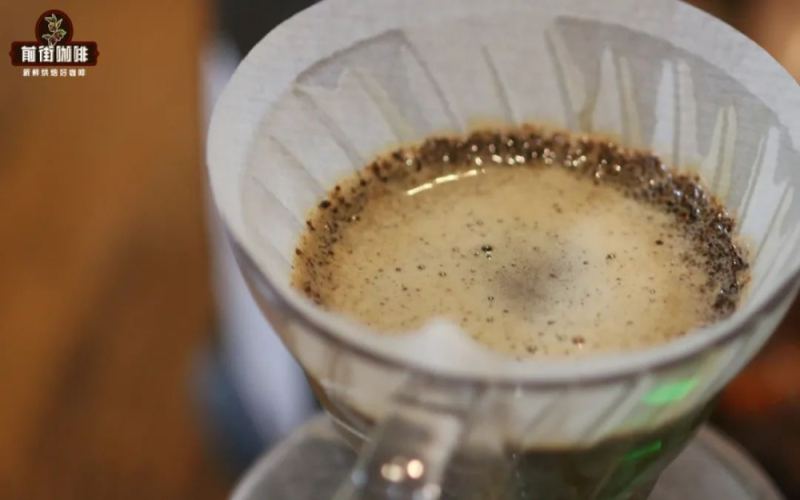
Coffee Bean Grinding | Which Coffee Grind Is Finest on a Grinder Scale from 1 to 10? How Do You Adjust the Grind Size for Pour-Over Coffee? Reference Guide to Coffee Grind Size Standards
Which grind size from 1 to 10 is the finest for coffee beans? In most cases, the smaller the number, the finer the grounds. The grind size of coffee beans plays an important role in extracting a cup of coffee. For example, if the coffee grounds are too fine and used for pour-over coffee, it will result in over-extraction, while if they are too coarse, it will result in under-extraction. Secondly, factors such as the beans from each producing region [more…]
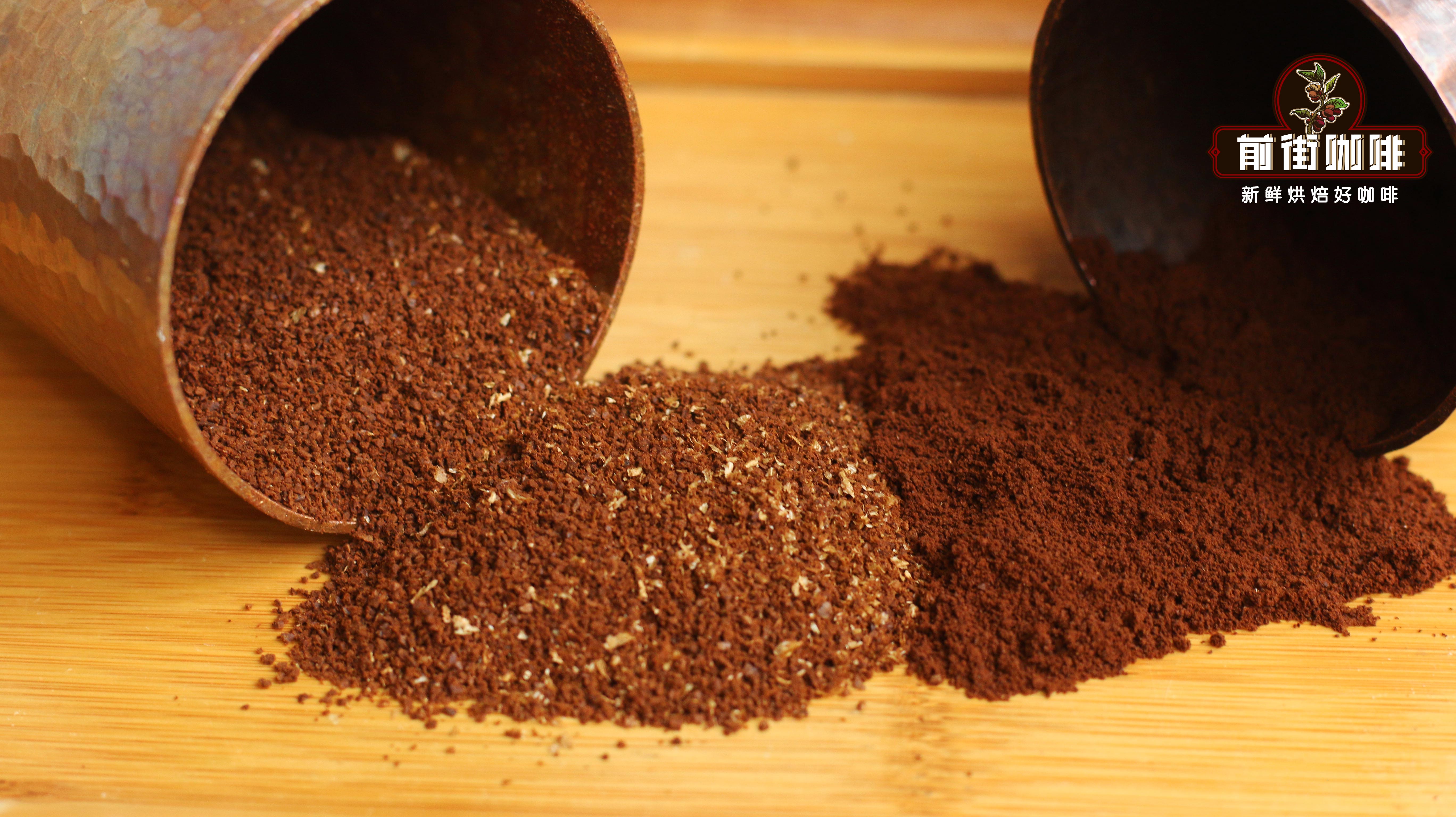
Coffee Grind Size Parameters | Pour-Over, Cold Brew, Ice Drip, Moka Pot – How Fine Should Coffee Grounds Be? A Guide to Using the Common Coffee Grind Size Reference Chart
"Excuse me, what grind size should I use for pour-over coffee?" "Why is the grind at setting 10 on your machine different from setting 10 on mine?" "When you say 'sugar-like,' do you mean caster sugar, granulated sugar, or brown sugar?" ... Are you still struggling to find the right grind size for your coffee brewing device? Front Street has an article to [more…]
A Complete Guide to Coffee Grind Size: Seven Grind Levels, Their Brewing Methods, and Flavor Differences
The coarseness of coffee grinding directly affects the efficiency of extraction and the final flavor performance, making it one of the key variables that determine whether a cup of coffee is good or bad. From extremely coarse cold brew grinding to Turkish grinding as fine as flour, seven different particle sizes each correspond to the most suitable brewing equipment and methods. This article systematically sorts out the appearance characteristics of each grind size, the applicable scenarios, and why grinding fresh at home preserves flavor better than buying pre-ground coffee powder. It will also explain the taste problems that may arise from improper grind size selection, helping you quickly find the appropriate grinding parameters based on the equipment you have on hand, so that every cup of coffee can present the ideal layering of flavor. [more…]
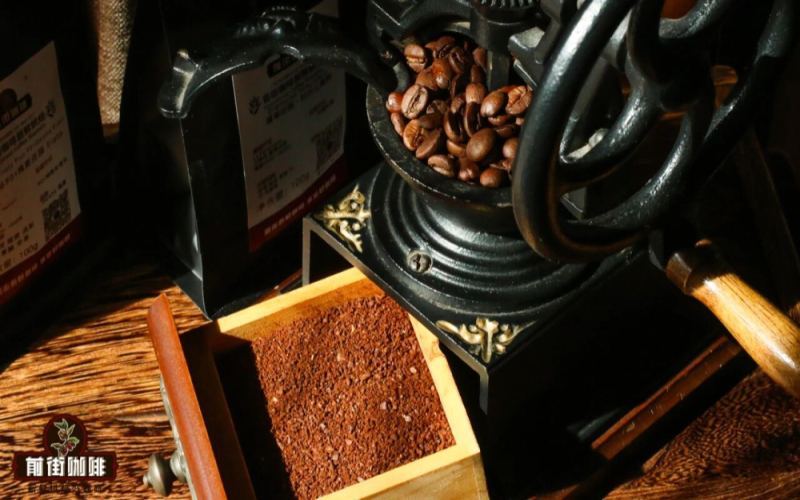
Pour-Over Coffee Grind Size Comparison Guide: Use a No. 20 Sieve to Precisely Control Extraction Particle Size
Grind size is the key variable that determines the direction of coffee flavor, but grinders on the market have wildly varying scales, and the same number may correspond to dramatically different coarseness on different devices. How fine is actually fine? How should you judge something the size of granulated sugar? This article starts from the impact of grind size on extraction, systematically introduces how to quantify the coarseness of coffee grounds with the help of the Chinese standard No. 20 0.85 mm aperture sieve, and for common brewing methods such as pour-over, French press, cold brew, espresso machine, and moka pot, provides reference ranges for grind passing rates under different roast levels and comparison methods, helping you find the grind parameters suitable for your own equipment. [more…]
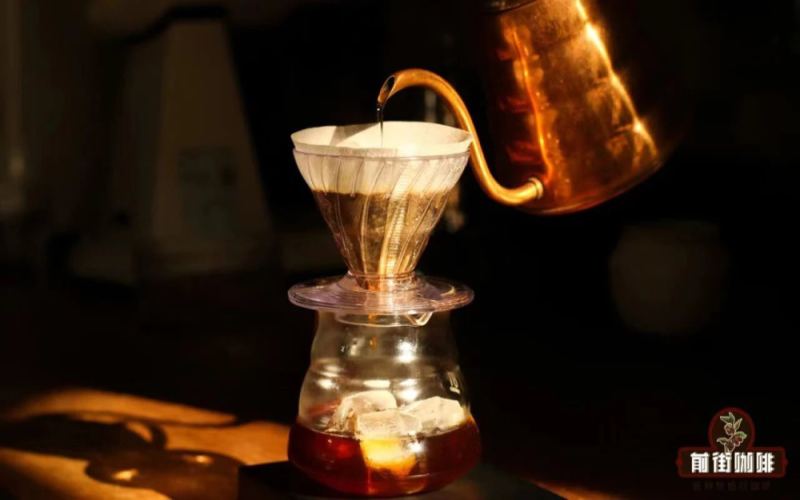
Coffee Bean Grinding | How Does Grind Size Affect the Flavor and Mouthfeel of Pour-Over Coffee? How to Judge Coffee Grind Size Without a Sieve?
The coarseness of the grind in coffee directly affects the contact area between the coffee and water as well as the extraction time, and it will directly impact the taste of the coffee. But at the same time, the coffee grind size is also the most headache-inducing aspect for many people! In this article, Front Street will explain how to determine what the grind size should be for different coffee beans. First, [more…]
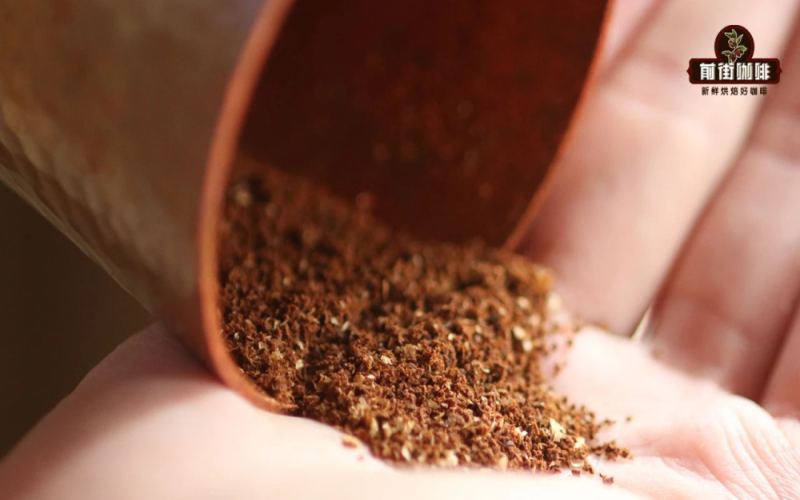
Coffee Ground Size Reference Standards | Why Does Coffee Bean Grind Size Affect the Flavor and Mouthfeel of Pour-Over Coffee? How Fine Should Pour-Over Coffee Grounds Be?
If you are a passionate lover of pour-over coffee, then you must know that the following factors are among the reasons that affect your coffee's extraction and flavor! So let's count them with Front Street: water temperature, grind size, coffee-to-water ratio, extraction time... Front Street Coffee (FrontStreet [more…]
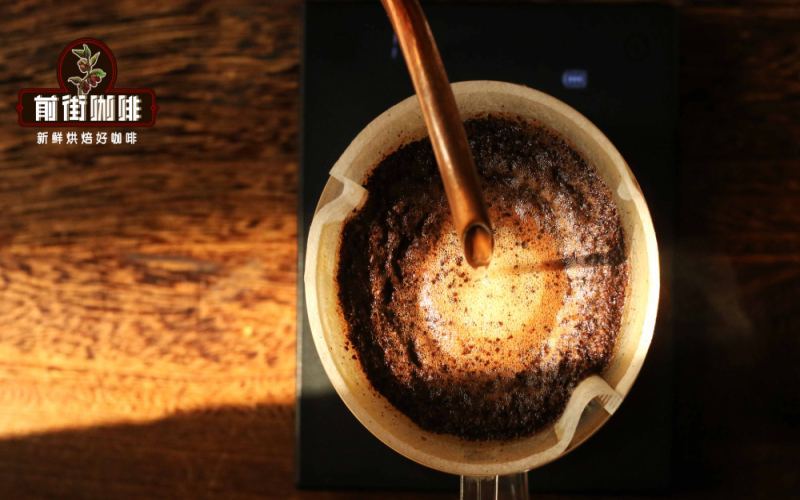
How Is Coffee Ground Size Classified? An Analysis of Grind Size Differences from Extra Fine to Coarse and the Standards for Pour-Over
The essence of coffee extraction is using water to dissolve flavor compounds out of coffee beans, and among the several core variables that determine extraction results, grind size is often the most intuitive and the one that most needs precise control. The finer the coffee is ground, the faster water penetrates into the particles to extract compounds, and the more flavor can be dissolved in the same amount of time, naturally making the taste richer; conversely, the coarser the particles, the lower the extraction efficiency, and the coffee easily tastes weak. So how many levels of grind size are commonly available on the market? What grind levels suit espresso, pour-over, and French press respectively? And how does Front Street Coffee use a 0.85mm standard sieve to define the baseline for pour-over grinding? This article will break down, one by one, the mechanisms by which grind size affects taste, sort out the coarseness spectrum from Turkish pot to French press, and provide a reusable method for judging pour-over grind size. [more…]
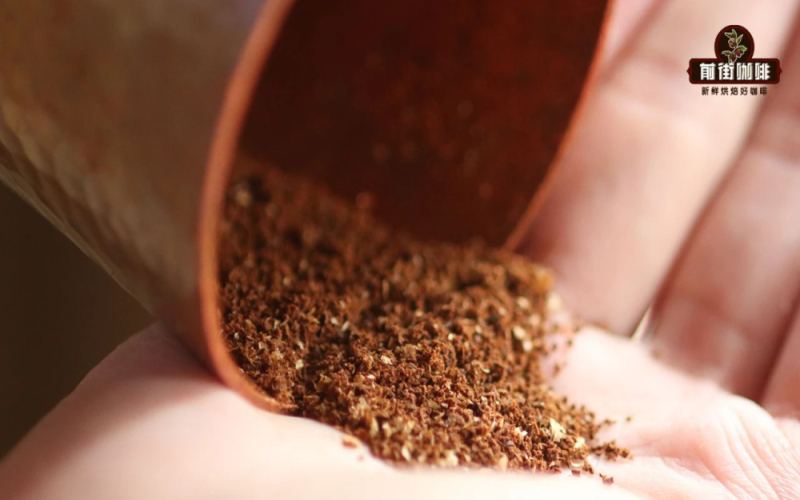
How Does Grind Size Affect Flavor in Pour-Over Coffee? A Full Breakdown of Cupping and Brewer Reference Standards
Among the many variables in pour-over coffee, grind size is one of the core factors determining extraction efficiency and the final flavor. The coarseness of the coffee grounds not only changes the speed at which water penetrates the coffee bed, but also directly affects the coffee's strength, body, and the balance of acidity, sweetness, and bitterness. In this article, Front Street Coffee systematically sorts out the mechanisms by which grind coarseness affects extraction, and provides reference grind standards for different brewing methods such as cupping, pour-over, French press, espresso, moka pot, and cold brew/ice drip. It also introduces the calibration method using the No. 20 sieve pass rate, helping coffee enthusiasts find grind parameters that suit them. [more…]
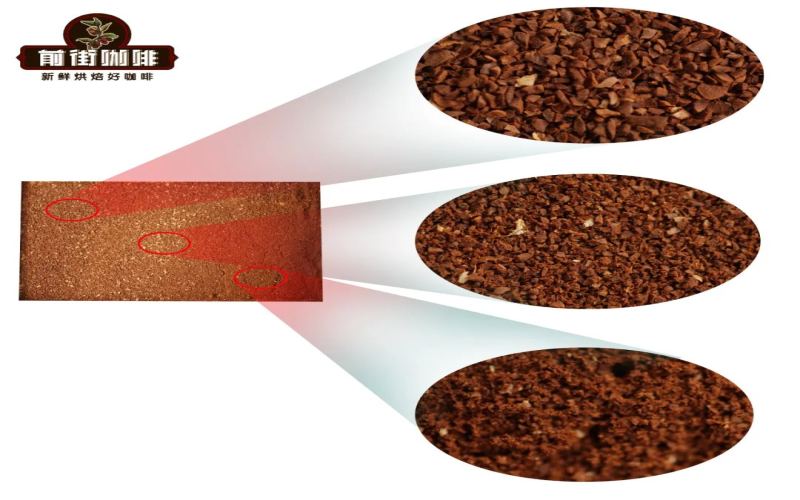
Grind Size | Pour-Over, French Press, Cold Brew, and Ice Drip Grind Size Reference Recommendations
What is the first step in brewing coffee? Grinding beans. In recent years, with the rise of the specialty coffee wave, more and more people have come to enjoy drinking coffee, and at the same time, more and more people hope to fully experience the beauty and leisure of drinking coffee, so they choose to buy coffee beans and brew them at home. And so at this point, a [more…]
How to choose the grind size for pour-over coffee? A full analysis of extraction yield, flavor and mouthfeel, and sieve pass-through rate standards.
Grind size is one of the core variables determining the extraction outcome and flavor direction of pour-over coffee. This article systematically examines how coffee particle size affects flow rate and extraction efficiency, compares the typical behaviors when the grind is too fine versus too coarse, and provides reference grind ranges for different brewing devices such as cupping, pour-over, espresso, moka pot, cold brew drip, and French press. It also introduces the calibration method using the No. 20 sieve pass-through rate to help you find the appropriate grind setting between medium-light and medium-dark roasted beans. The article also incorporates Front Street Coffee products such as Huakui, Geisha, Sidra, PWN Golden Mandheling, Queen's Estate, and Blue Mountain No. 1, offering corresponding grind recommendations and extraction approaches. [more…]
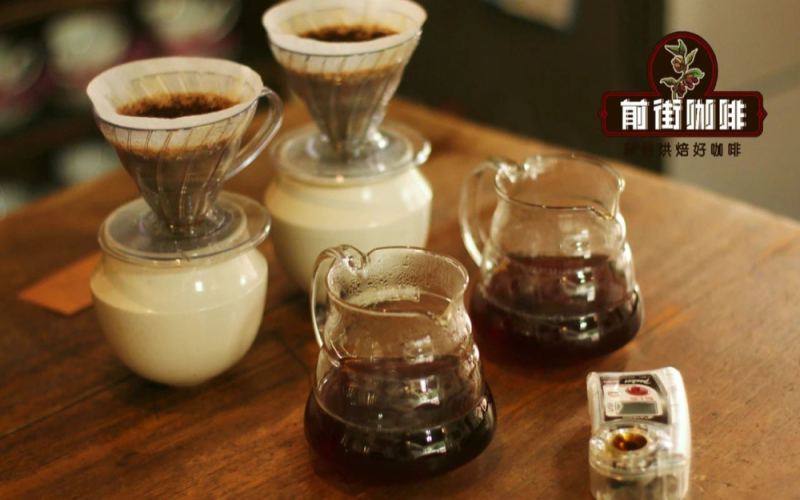
Pour-over Coffee Basics | What Is the Standard Coffee Ground Size for Pour-over? How Do You Determine the Grind Size for Single-Origin Pour-over Beans?
Beginners in pour-over coffee often come to FrontStreet Coffee and ask how to determine the grind size for each coffee bean, what effect grind size has on coffee extraction, how to tell the coarseness of coffee grounds at home, and so on. In this article, Front Street will talk about [more…]

How to Fine-Tune the EK43 Grinder Settings? A Detailed Guide to Quickly Verifying Pour-Over Coffee Grind Size
Grind size is the key variable that determines the success or failure of a cup of coffee extraction. If the grounds are too fine, they tend to over-extract and become bitter; if the grounds are too coarse, the extraction is insufficient and the flavor is weak. Starting from the practical experience of Front Street Coffee, this article systematically explains the mechanism by which grind setting affects extraction efficiency, sorts out the grind ranges corresponding to different brewing methods such as espresso, pour-over, and French press, and focuses on explaining the setting of the EK43s grinder in the pour-over scenario—medium-light roast beans are recommended at 10, and medium-dark roast beans at 10.5. It also introduces the specific operation of using a 0.85mm No. 20 sieve for sifting verification, helping coffee enthusiasts quickly judge and correct the grind size, so that every cup of coffee can consistently present the ideal flavor. [more…]
Coffee Bean Grind Size Levels | How to Determine Coffee Ground Coarseness for Pour-Over? What Are the Grind Size Parameters for Pour-Over, Ice Drip, Cold Brew, and Espresso?
For more specialty coffee knowledge, follow our WeChat public account: FrontStreet Coffee (FrontStreet Coffee) No matter what equipment is used to brew coffee, the coffee beans must be ground, the purpose being to allow the coffee's flavor compounds to dissolve more quickly. Of course, not all of the coffee's soluble [more…]
How to Determine the Grind Size for Pour-Over Coffee? A Detailed Explanation of the Particle Size Standard and the 80% Pass Rate Through a 0.85mm Sieve
The flavor expression of pour-over coffee depends to a large extent on the grind size setting. If the particles are too coarse, extraction is insufficient and the taste is thin; if too fine, over-extraction easily occurs and bitterness becomes prominent. So what range should pour-over coffee particles actually be controlled within? Different grinders have inconsistent scale standards, so how can this be expressed in a unified way? Starting from the principles of extraction, this article sorts out the mutual influences among coffee-to-water ratio, water temperature, time, and grind size, and introduces the method used by Front Street Coffee of measuring grind pass-through rate with a 0.85 mm standard sieve, giving the basic reference standard of an 80% pass-through rate to help coffee enthusiasts quickly find a suitable grinding baseline when facing different beans and equipment. [more…]
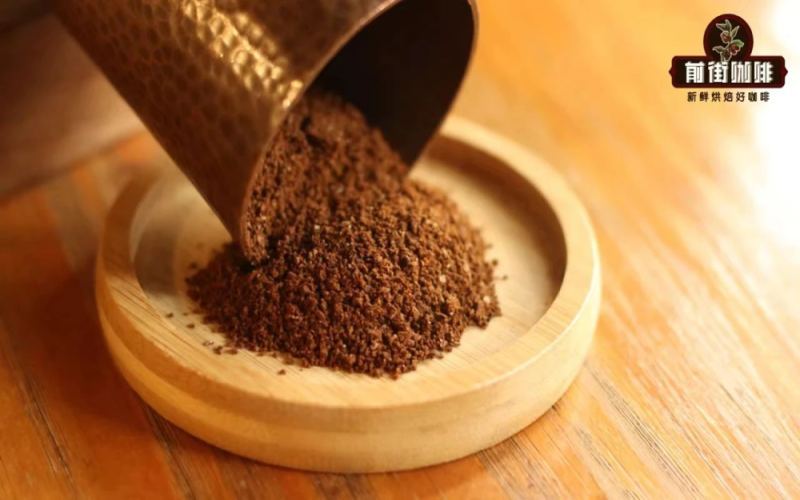
How do you determine the grind size for pour-over coffee? Can coffee grounds be brewed directly?
In the process of making pour-over coffee, water temperature, grind size, and coffee-to-water ratio are the three key variables that affect the final flavor. Among them, grind size directly determines the particle size and uniformity of the coffee grounds, which in turn affects the efficiency with which water extracts flavor compounds as it passes through the coffee bed. So, when faced with coffee beans of different characteristics, how do we find the most suitable grind setting? And when the grind is too fine or too coarse, what typical signs show up during brewing? In this article, Front Street Coffee will systematically explain the mechanism by which grind size affects extraction, and introduce a method that uses a standard sieve to accurately determine whether the grind is appropriate, helping you adjust grind parameters on a more informed basis in your daily brewing. [more…]
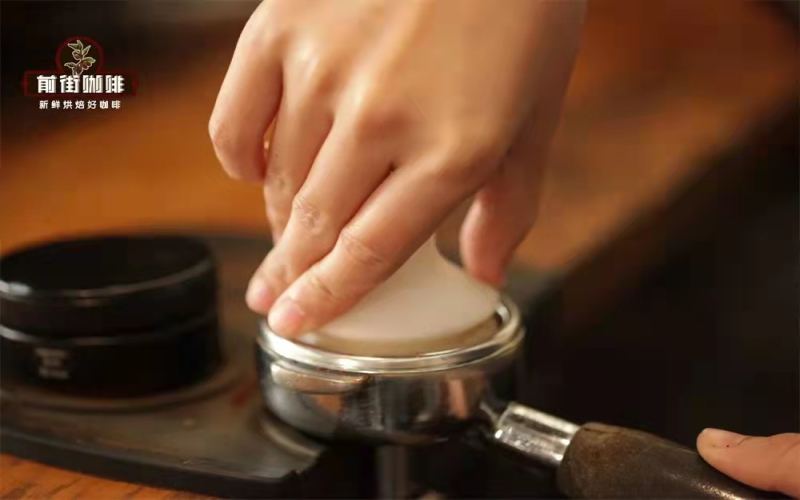
Coffee Grind Size Chart | What Are the Differences in Grind Size, Coffee Brewing Ratios, and Brewing Time Between Moka Pot and Espresso?
There are many factors that affect the taste of coffee. During the brewing process, the factors that influence coffee include the coffee-to-water ratio, grind size, water temperature, etc. Among them, grind size can be said to be extremely important. There is a saying in the industry: "You can buy a cheaper coffee machine, but the grinder must be the best." It must be said that grinding really has an [more…]
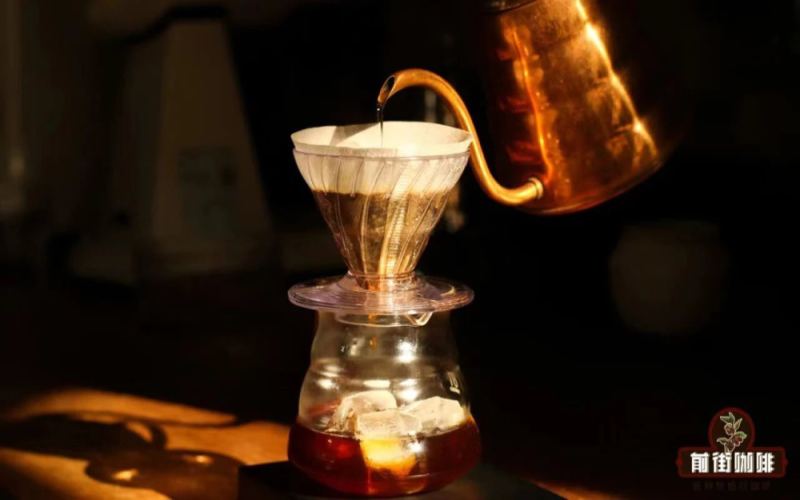
Coffee Flavor Extraction | What is the relationship between the grind size of freshly roasted coffee beans and coffee extraction? How fine should coffee grounds be for pour-over, espresso, and French press?
The grind size in coffee directly affects the contact area between the coffee and water as well as the extraction time, and it will directly impact the coffee's taste. But at the same time, coffee grind size is also the biggest headache for many people! In this article, Front Street will explain how to determine the appropriate grind size for different coffee beans. First [more…]
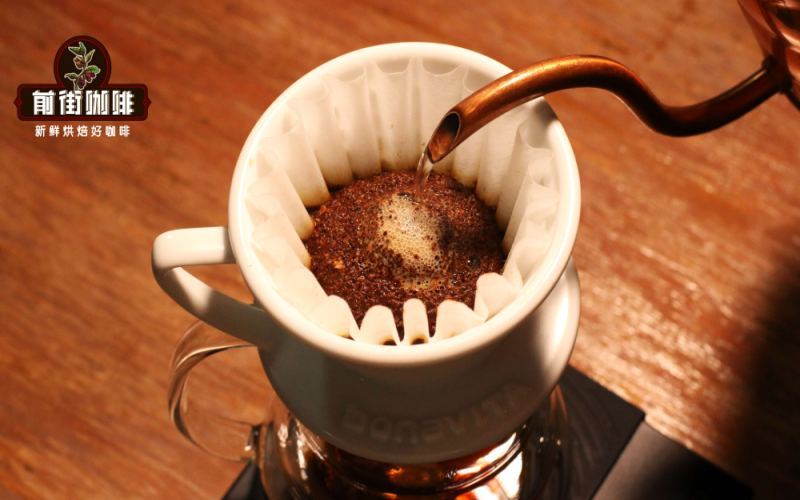
Pour-Over Coffee and Espresso Grind Size Explained: Coarseness Standards, Sieve Pass Rates, and the Science Behind Moka Pot Crema
Grind particle size is one of the key variables that determines the direction of coffee flavor. Starting from the practices of Front Street Coffee, this article systematically reviews the influence of grind size on extraction efficiency in pour-over coffee, the grind standards suited to medium-light and medium-dark roasts respectively, and how to use a 0.85mm No. 20 sieve to test the pass-through rate. It also extends to the extremely fine grind requirements of espresso, explains the effect of the grinder burr spacing on extraction time, and provides the specific extraction parameters and flavor description of Front Street espresso. In addition, the article also explains the relationship between the choice of Moka pot coffee grounds coarseness and the oils it produces, helping coffee enthusiasts find a grind plan suitable for their own equipment at home. [more…]
Starbucks Coffee Bean Pour-Over Grind Size Guide: A Detailed Explanation of Coarseness Assessment and Adjustment Methods
Many coffee enthusiasts, after buying Starbucks coffee beans, often find themselves at a loss when faced with the grinder settings, worrying that grinding too coarse or too fine will ruin the coffee's flavor. In fact, grind size directly affects the speed at which water passes through the coffee bed and the extraction efficiency, making it a key variable that determines the success of a pour-over. Starting from Front Street's brewing practices, this article first explains the underlying logic of how grind size affects extraction, then separately describes the appearance of the coffee bed and the drip performance when the grind is too fine versus too coarse, and finally provides specific steps for measuring the passing rate with a 0.85mm test sieve and precisely calibrating the grind setting, helping you find the right grind parameters for Starbucks beans of different roast levels. [more…]
Pour-over black coffee grind size | Does the grind coarseness standard for pour-over coffee beans greatly affect coffee flavor? What flavor manifestations occur when coffee grounds are too coarse or too fine?
For more specialty coffee knowledge, please follow: Front Street Coffee (Frontsteet Coffee). In coffee, the coarseness of the grind directly affects the contact area between coffee and water as well as the extraction time, and it will directly affect the taste of the coffee. But at the same time, the coffee grind size is also what gives many people the biggest headache. [more…]